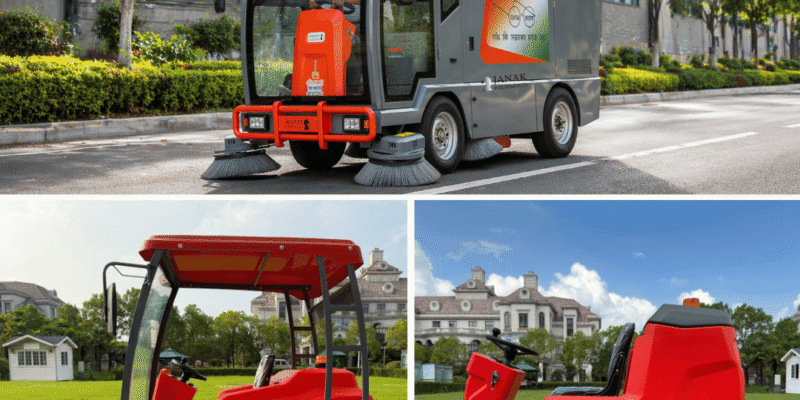
What Factory Owners and Plant Managers Should Know
Around Indore, a large industrial belt runs through Pithampur, Sanwer Road, Rau and Dewas. Factories, warehouses and
processing units here run long shifts, move heavy vehicles and generate dust and debris every day.
Keeping these sites clean is not just about looks. It affects safety, equipment life, product quality and audit results. This guide
explains what plant managers should know before choosing sweeping machines for an industrial site in this region.
Why Industrial Sites Struggle With Cleanliness
Why Industrial Sites Struggle With Cleanliness
● Large internal roads and yards that take hours to sweep by hand
● Heavy truck movement that drags dust and dirt across the site
● Raw material spillage and packaging scrap that collect near loading areas
● Fast dust build-up in dry weather
● Multi-shift operations that leave little time for cleanin
What Poor Housekeeping Really Costs
● Safety incidents: Debris and spills cause slips and vehicle skids
● Equipment wear: Dust and abrasive particles shorten the life of machinery
● Tyre and vehicle damage: Sharp scrap on internal roads leads to punctures
● Product contamination: Airborne dust can affect quality in sensitive processes
● Audit and compliance issues: Housekeeping standards such as 5S and safety audits look at site cleanliness
● Reputation: Visiting customers and auditors notice a dirty site immediately
How Ride-On Sweepers Help Industrial Sites
Coverage That Matches the Site
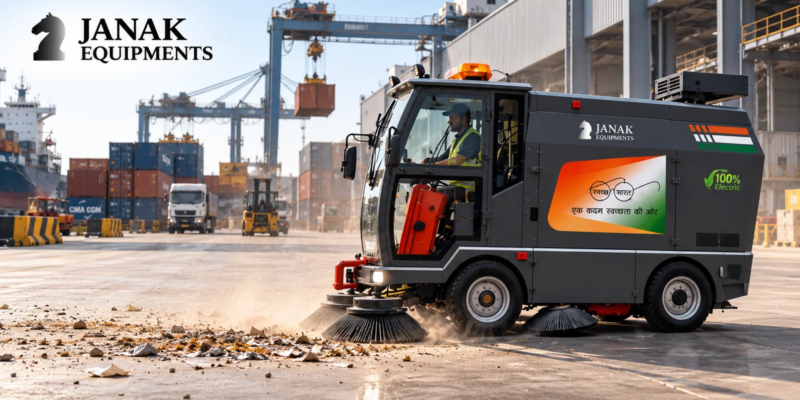
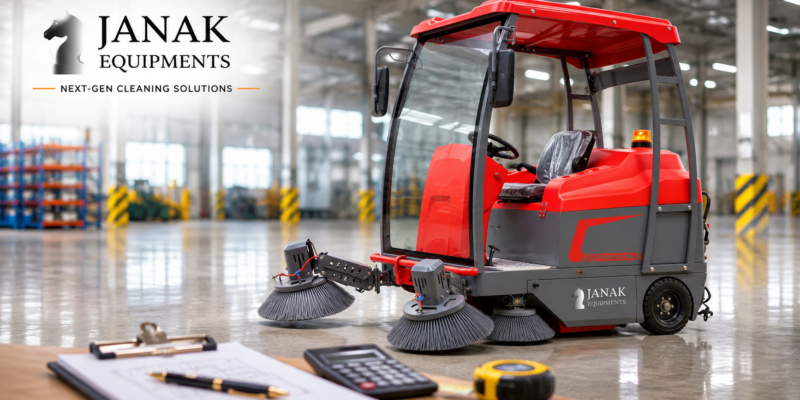
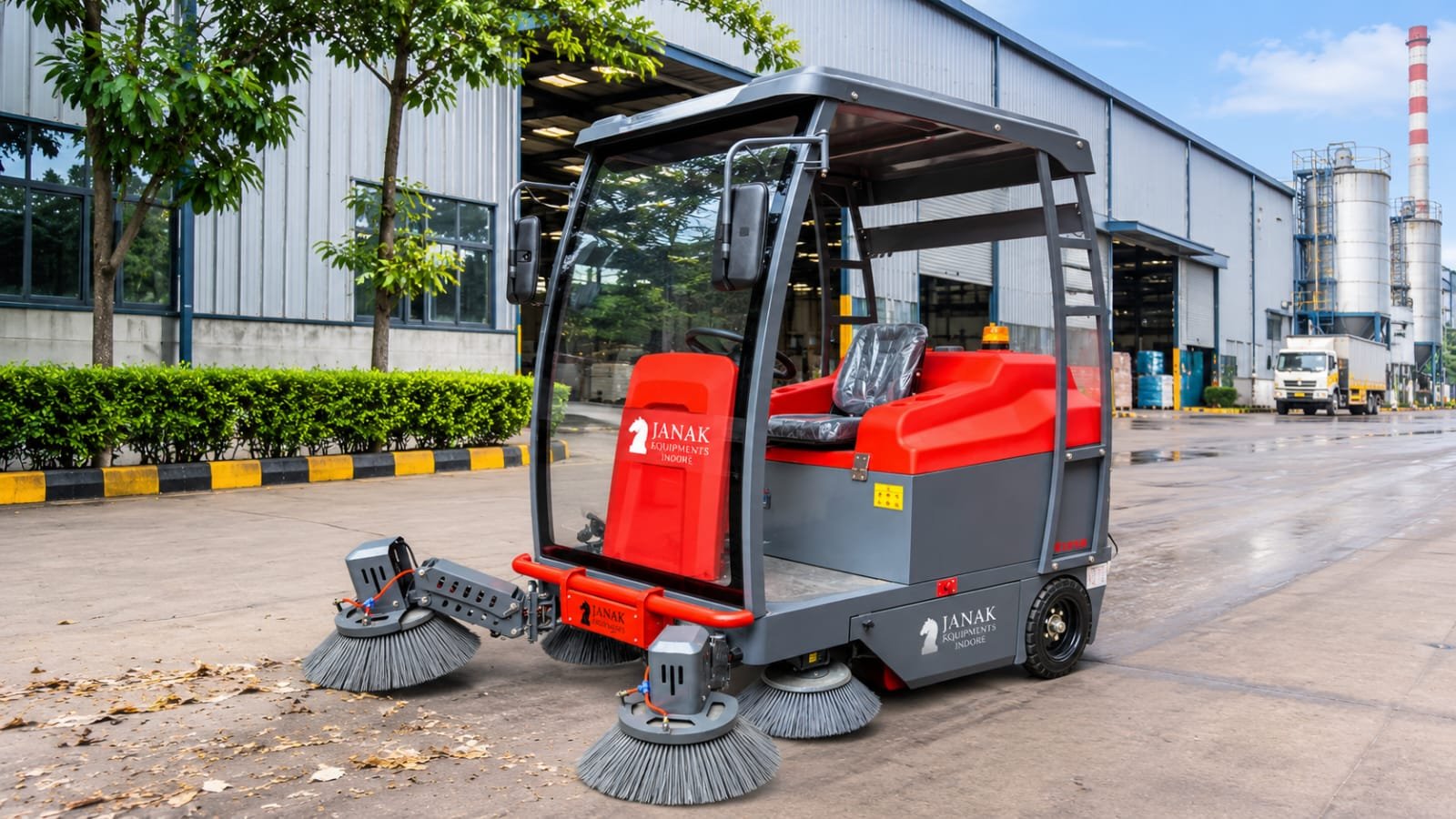
A ride-on sweeper covers internal roads, yards and open areas far faster than a manual crew, so one operator can handle ground
that would otherwise need a team.
Handling Heavy Debris
Industrial-grade machines are built to collect sand, gravel, metal particles and packaging scrap that overwhelm hand brooms.
Dust Control
Machines with suction, filters and water spray capture fine dust instead of throwing it back into the air.
Consistency Across Shifts
The machine delivers the same coverage on every pass, which keeps housekeeping standards steady across shifts.
Lower Labor Dependency
When the site expands, one machine can absorb the extra area without needing a larger cleaning crew.
What Different Industries Should Look For
● Automobile and engineering units: Metal particles and shavings call for a strong build and a good hopper
● Pharma and food processing: Cleanliness standards call for good dust control and quiet electric machines with no
fumes
● Packaging, plastics and textiles: Light, bulky debris such as offcuts and fibres needs a wide brush and a large hopper
● Warehouses and logistics: Truck yards and dock areas need durable machines with quick coverage
● Large plants with long internal roads: A higher-coverage machine saves time on long routes
Electric or Diesel for Industrial Use?
Many plants now prefer electric, lithium-ion powered sweepers, especially near enclosed or semi-enclosed areas like covered
docks and warehouses. There are no exhaust fumes, noise is lower, and running and maintenance costs are typically lower over
the machine’s life. Diesel may still be considered for very remote outdoor yards with no charging access, but most plants with a
depot or charging point can run electric comfortably.
5 Checks Before You Buy
1. Debris type: Fine dust, heavy scrap and wet debris need different setups.
2. Area and layout: Match the machine size to your roads, yards and turning space.
3. Shifts and charging: Make sure the runtime and charging plan fit your working hours.
4. Hopper and dust control: Heavier debris needs a larger hopper, and dusty sites need water spray or good filtration.
5. Local service and spare parts: Downtime costs money every day the machine sits idle.
Why Local Support Matters
When a sweeper stops working, your team goes back to manual cleaning and the problem returns. A supplier based near your
plant can visit the site, recommend the right model, train operators, and respond quickly when you need service or spare parts.
Getting Started: A Simple Pilot
1. Mark your main roads, yards and loading areas.
2.Note the type and amount of debris in each zone.
3.Ask your supplier for a site assessment and model recommendation.
4.Run the machine on one section and compare time, labor and results with your current method.
5.Expand once you have real numbers.
Frequently Asked Questions
Which sweeping machine is best for a factory?
It depends on your debris, area and shifts. For most factories, an electric combination ride-on sweeper with a good hopper and
strong build is a practical choice. A site assessment helps match the right model.
Can a sweeper work inside a factory shop floor?
Yes, as long as the aisles are wide enough and the machine suits indoor use. Electric models are preferred indoors because they
produce no exhaust.
How often should an industrial yard be swept?
This depends on traffic and debris. Many plants schedule regular sweeping for main roads and high-traffic areas, with extra passes
after spills or heavy movement.
Can I see a machine before buying?
It is a good idea to ask your supplier about a demonstration or site visit so you can judge the machine on your own surfaces and
debris.
Sweeping Machines From an Indore-Based Manufacturer
Janak Equipments is based in Indore and builds electric ride-on sweepers and ride-on scrubber dryers with 100% stainless
steel construction and advanced lithium-ion battery systems, designed for Indian industrial conditions. If you manage a plant in
Pithampur, Sanwer Road, Rau, Dewas or anywhere around Indore, talk to our team about the right machine for your site.
Call or WhatsApp: +91 77728 55500
Email: info@janakequipments.com
Visit us: Ground Floor, Villa 140, Omaxe City 1, Bypass, Indore, 452016
Contact Us: https://janakequipments.com/contact-us/
Our Products: https://janakequipments.com/our-products/
Janak Equipments designs and delivers next-generation cleaning machines for municipal, industrial, and commercial operations
across India.
Learn more about us: https://janakequipments.com/about-us